Music Therapy Sessions
What is music therapy?
“Music therapy is a professional discipline that uses music-based experiences, such as listening, singing, playing instruments or improvisation, to promote health, well-being, capacity, and development at a personal and social level. It is delivered by trained professionals within a therapeutic relationship, and is an adaptable, inclusive, therapeutic modality that serves individuals, groups, and communities across clinical, educational, cultural and virtual settings. Music therapy practice is research-based, shaped by professional education and clinical training, guided by ethical responsibility, and informed by social, cultural, and political context.”
World Federation of Music Therapy (2026)
-
Most people can benefit from music therapy regardless of ability, needs, age, and/or musical experience. Music Therapists use their knowledge of music and how it impacts our brains and bodies to help clients accomplish musical and non musical goals. You do not need past music experience to benefit from music therapy. The certified music therapists on our team have experience working with:
Youth, young adults, and adults on the autism spectrum,
Youth with learning challenges and attention difficulties,
Youth and Adults with Intellectual or developmental disabilities,
Older adults with Alzheimer’s Disease and other forms of Dementia,
Older adults dealing with anxiety, depression, and social isolation,
Deaf/Blind community,
Rehabilitation (Stroke survivors, TBI/ABI, Parkinson’s, ALS, Music Agnosia, Aphasia, Dysphasia, etc.),
Grief/Bereavement/ Palliative care support,
Mental Health support, coping, and non-pharmaceutical management strategies,
Corrections (Juvenile and Adults),
Members of the LGBTQia2s+ community,
Abuse victims,
Children and adults with PTSD or experiencing neglect (typically referred by a social work or community agency),
Veterans,
Individuals with Cancer and other forms of Chronic illness,
BIPOC persons,
…and more.
-
Music Therapy sessions are individualized and tailored to the needs and goals of the client. Generally, the initial 3-4 sessions consist of an assessment period in which your therapist will get to know you and will begin to establish a treatment plan in collaboration with you. The specific musical interventions of each session will vary depending on this treatment plan and based on the circumstances of the day. Some interventions may include, but are not limited to, the following:
Instrument playing
Songwriting
Lyric Analysis
Song listening & Song sharing
Meditation, breathing, and grounding techniques
Verbal processing
Improvisation
What is the music therapy process?
Music therapy sessions are specifically designed to meet your wellness goals. Each treatment cycle will start with a referral or intake form and assessment period (typically 2-4 sessions) where the certified music therapist will learn more about you, your goals, and your abilities. The therapist will then create an individualised treatment plan for an individual, dyad, or group including recommended goals and objectives for the treatment period. During treatment, the therapist will address these goals and objectives using music and musical interventions. For example, clinical activities may include singing, breath work, movement to music, instrument playing, songwriting, lyric analysis, and more. Following the recommended treatment period, the therapist will complete another assessment with a recommendation to continue therapy or discharge.
-
A referral helps your therapist to learn more about you and the reason you are seeking therapy prior to your first session. It also helps the therapist to develop treatment initiatives that align with your specific interests and abilities. (Click here to complete an intake form).
-
The assessment period typically takes about 2-4 sessions. In these sessions the certified music therapist will learn more about you, your goals, and your abilities so that they can create and individualised treatment plan for an individual, dyad, or group. The treatment plan includes recommended goals and objectives for the treatment period.
-
During treatment, the therapist will address these goals and objectives using music and musical interventions. For example, clinical activities may include singing, breath work, movement to music, instrument playing, songwriting, lyric analysis, and more. Visit our frequently asked questions page for more information abut therapy goals.
-
Following the recommended treatment period, the therapist will complete another assessment with a recommendation to continue therapy or discharge.
Once discharged, therapy participants can always decide to return to therapy by reconnecting with your therapist or by scheduling a check-in session.


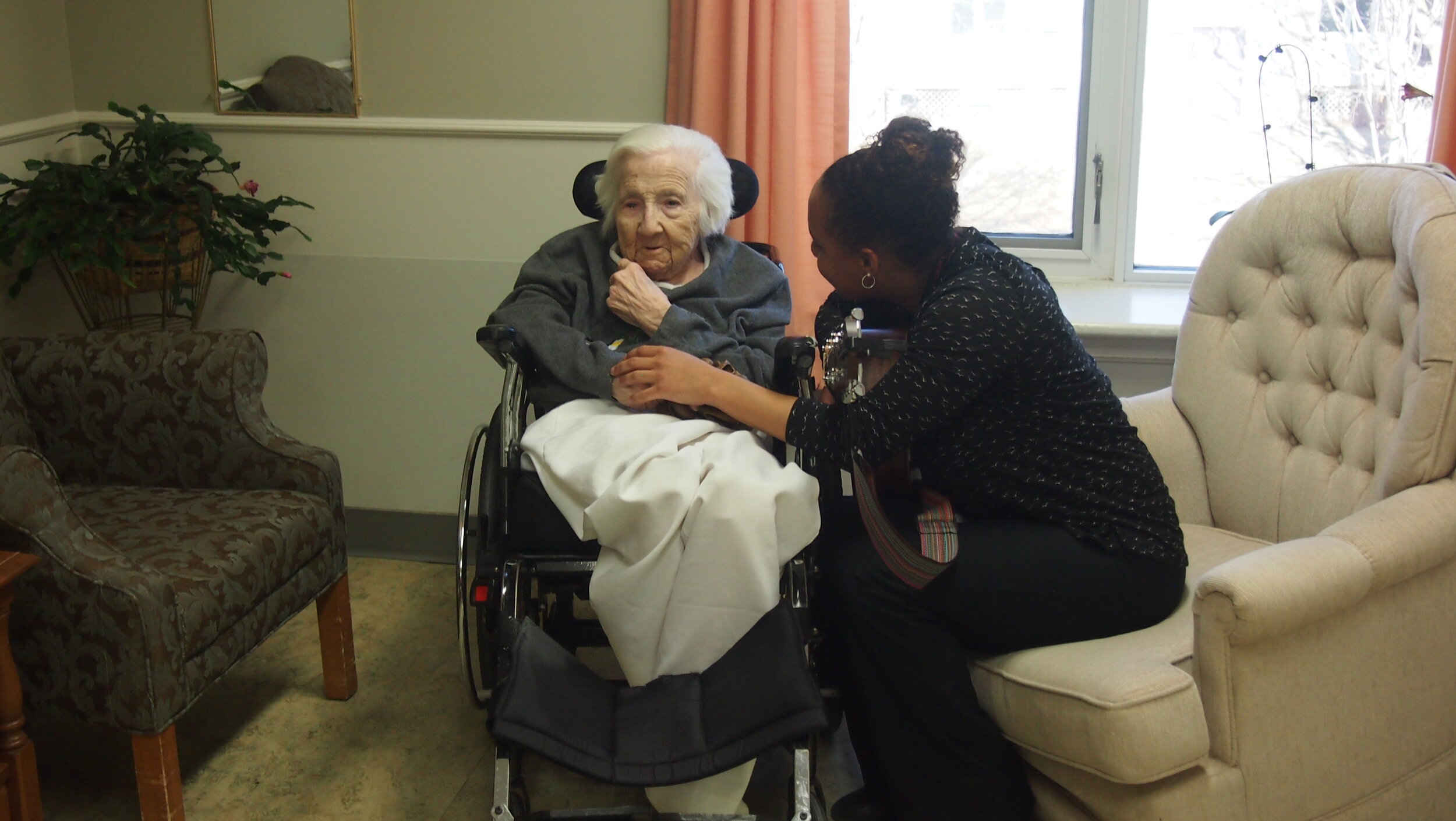


We are pleased to serve our communities through music: